Word from the Pastor
Thirtieth Sunday in Ordinary Time
Dear Parishioners,
Never Forget Where You Come From
“You shall not molest or oppress an alien, for you were once aliens yourselves in the land of Egypt.” — Exodus 22:20
Have you ever imagined what it feels like to leave your homeland, arrive in a new country, and begin life all over again? Many immigrants know this experience. They leave behind family, friends, familiar traditions, and the places they call home in search of safety, opportunity, and a better future. Some arrive with hope; others arrive carrying fear, uncertainty, and painful memories.
In today's first reading, God reminds the Israelites that they, too, were once strangers in Egypt. Because they knew what it meant to be foreigners and to suffer oppression, God commanded them not to mistreat strangers among them. Their experience was meant to teach them compassion.
God's message is clear: Never forget your own struggles when you encounter someone who is struggling today.
Perhaps you or your family once came to this country looking for a better life. Perhaps someone welcomed you, offered you a job, helped you learn a new language, or gave you a chance when you had nowhere else to turn. What would your life be like today if that person had closed the door on you?
This Scripture challenges us to look at immigrants not simply as strangers, but as human beings with stories, families, hopes, and fears. Whatever their country of origin or immigration status, they deserve to be treated with dignity and humanity. Respecting human dignity does not mean that a country cannot have immigration laws; it means that laws and policies must be administered with justice, compassion, and respect for human life.
As Christians, we must ask ourselves: Do we see the person behind the label immigrant? Do we listen to their stories? Do we welcome those who are new to our communities? Do we remember that every person is created in the image and likeness of God?
Never forget where you come from. If you once needed welcome, welcome others. If you once needed help, help someone in need. And if you have been blessed with opportunities, use those blessings to make life more humane for others.
God reminds us of our past not to keep us trapped in it, but to teach us how to love our neighbors today. May we never allow our success to erase our compassion or our blessings to make us forget those who are still searching for a place to call home.
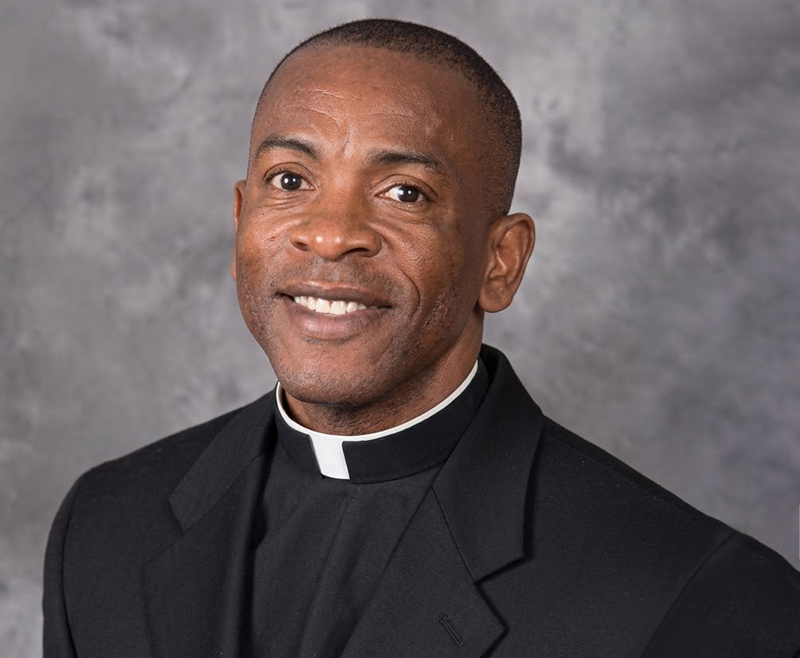
Rev. Fritzner J. Bellonce
Pastor


.jpg?v=20261027031034)

